Make Ideas Visible: Your Zettelkasten With Living Graphs

Step into a practice that transforms scattered thoughts into a living map. We will build a personal visual knowledge base using Zettelkasten principles and interactive graph views, turning atomic notes and meaningful links into patterns you can see, explore, and evolve. Expect practical workflows, humane stories, and clear steps that help curiosity compound into insight, research into writing, and daily notes into durable understanding.

Start With Atoms: Notes That Stand Alone
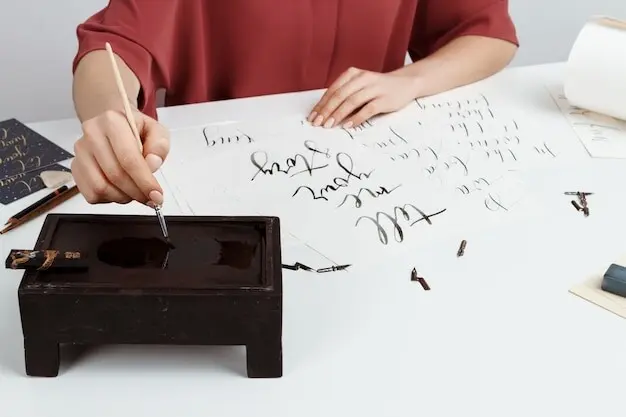
Begin by writing ideas as small, self-contained notes that capture one claim, concept, or question. Give each a unique identifier, a clear title, and links that express relationships, not hierarchies. This foundation keeps thinking modular, remixable, and resilient, enabling graph views to reveal structure naturally instead of enforcing brittle folders and rigid outlines.

Linking As Thinking: Patterns You Can Navigate

Treat links as sentences between ideas, not mere references. Add context about why two notes belong together, using short link reasons or brief summaries near the link. Over time, these connective tissues produce navigable paths, surface surprising bridges, and make the global graph less decorative and more explanatory during research, writing, or review.

From Capture To Insight: A Repeatable Workflow

Reliability beats intensity. Design a loop you can sustain: capture quickly, elaborate within twenty-four hours, connect with intent, and schedule lightweight reviews. This cadence compacts forgetting, keeps the graph coherent, and gradually transforms rough inputs into living knowledge, ready to power idea generation, problem solving, and publishable outcomes.

01

Capture That Respects Attention

Lower friction using templates, hotkeys, and mobile inboxes. Write just enough to retrieve meaning later: source, claim, quote, and your quick reaction. Avoid polishing. The goal is reliable inflow without context loss, so that your future elaboration step begins from clarity, not a frustrating pile of cryptic fragments.

02

Elaborate Before Memory Fades

Within a day, rewrite the note in your own words, add links that state relationships, and jot one question that would extend understanding. This prevents zombie highlights, grows the graph with intention, and increases retrieval cues, which your tools later amplify through backlinks and local graph exploration.

03

Lightweight Review Rituals

Schedule brief, joyful passes through random notes, recent additions, and neglected islands. Tag candidates for merging, create a few bridge links, and archive dead ends. Ten mindful minutes compound weekly, shaping cleaner neighborhoods in your graph and surfacing threads that deserve focused writing sprints or collaborative discussion.

Tools And Views: Make The Map Work For You

Choose software that supports plain-text portability, flexible links, and responsive graphs. Whether you prefer Obsidian, Logseq, or another tool, emphasize open formats and export paths. Customize filters, colors, and physics so the graph emphasizes signal, revealing clusters, hubs, and bridges without overwhelming your attention or encouraging decorative procrastination.

Cluster To Outline

Translate dense neighborhoods in the graph into narrative arcs. Identify a few central nodes, then order surrounding notes as sections, evidence, and counterpoints. This preserves discovery while giving readers momentum, letting your final piece carry the texture of exploration without confusing jumps or disjointed, citation-heavy detours.

Argument As A Network

Treat arguments as connected claims across several notes, not as a monolithic essay trapped in one file. Link premises to evidence and counterarguments, then trace paths in the graph. You gain transparency, revision agility, and the ability to publish modularly while maintaining intellectual integrity.

Citations Without Chaos

Store bibliographic details beside your notes, and link quotations to interpretations and uses. Consistent templates reduce hunting. When publishing, you can trace lines from assertions back to sources in seconds, demonstrating rigor and making corrections painless, because the dependency graph exposes exactly what must change.

Care And Feeding: Keep The System Alive

Knowledge gardens thrive when pruned. Schedule merge days, rename confusing titles, and refactor duplicates into clearer, stronger notes. Archive confidently rather than hoard. As the graph simplifies, navigation accelerates, insights compound, and motivation grows, creating a virtuous cycle that supports ambitious projects without demanding unsustainable sprints or perfectionism.
Narinovizento
Privacy Overview

This website uses cookies so that we can provide you with the best user experience possible. Cookie information is stored in your browser and performs functions such as recognising you when you return to our website and helping our team to understand which sections of the website you find most interesting and useful.