Sketch Your Ideas Into Life

Today we explore visual note-taking and idea mapping, showing how quick sketches, meaningful icons, and branching connections transform scattered thoughts into organized insight. Expect practical techniques, field-tested frameworks, and generous inspiration to help you listen better, remember longer, and communicate with clarity. Along the way, try the prompts, share your experiments in the comments, and subscribe for weekly challenges that grow your visual thinking muscles with steady, rewarding practice.

Draw What You Think: Why Pictures Beat Paragraphs

When you draw as you listen, you engage dual coding: words and images cooperate, making ideas easier to retrieve later. Picture superiority means even simple doodles can outperform dense text when recall matters. Cognitive load drops because structure appears visually, reducing mental juggling. I once captured a complex briefing with arrows, clusters, and tiny symbols; days later, that single page replayed the meeting perfectly. Use this advantage deliberately, and you will feel your comprehension stabilize while creativity opens new pathways.

Tools That Help Your Pen Think

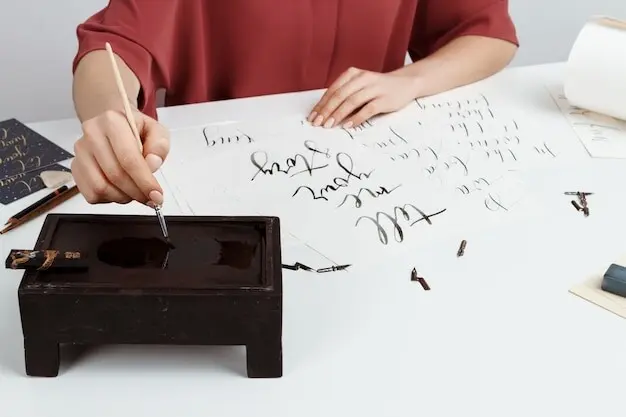
Whether you love the tooth of paper or the infinite canvas of a tablet, the right tools remove friction. Dot-grid notebooks guide lettering and spacing; brush pens add expressive emphasis. Digital apps like GoodNotes, Notability, Concepts, Excalidraw, and Miro enable layers, zoom, and easy rearrangement. A phone camera turns whiteboards into archives. Choose a minimum viable kit, develop muscle memory, and prioritize speed over perfection, because momentum is your most precious creative resource when mapping ideas live.

Frameworks That Map Chaos into Clarity

Structures give shape to thinking so you can sort, compare, and decide. Mind maps radiate from a focal word to associative branches, perfect for divergent exploration. Concept maps emphasize labeled relationships and cross-links, supporting rigorous understanding. Sketchnotes capture narratives across panels and containers. Add matrices for trade-offs, timelines for sequence, and swimlanes for responsibilities. With a small set of frameworks, you can fluidly switch modes from discovery to synthesis without losing momentum or detail.

From Meeting Mess to Shareable Maps

Real work is noisy: interruptions, acronyms, and shifting goals. A strong visual process catches the signal and turns it into a page others can scan in under a minute. Start with live capture, marking decisions, owners, and risks. Then refine: straighten lettering, unify colors, and add a legend. One project manager replaced twelve pages of minutes with a single diagram, and stakeholders finally aligned. Clarity invited momentum, and momentum delivered results.

Design Principles for Clear Thinking on Paper

Good visual notes are designed, not merely drawn. Hierarchy directs attention, contrast differentiates elements, and whitespace gives breath to meaning. Typography matters: consistent lettering sizes cue importance. Color should carry jobs, not decoration. Grids and gutters build rhythm. Legends and numbering reduce ambiguity. With a handful of principles applied lightly and consistently, your pages will feel inviting, scannable, and persuasive, even when the underlying subject is dense, technical, or emotionally charged.

Practice Routines That Build a Visual Habit

Skill grows through deliberate, recurring practice. Short drills warm your hand and focus your attention. Daily icons expand your visual vocabulary. Weekly reviews consolidate learning and surface patterns worth amplifying. Share publicly to invite accountability and encouragement. Join a challenge to sustain momentum when motivation dips. Over months, the practice compounds: speed increases, structure stabilizes, and your pages become reliable mirrors of your thinking, ready to persuade, teach, and guide decisions with confidence.

Five-Minute Drills You Can Keep

Set a timer and repeat lines, boxes, arrows, and simple shadows. Practice ten icons for the same idea, exploring variety and speed. Copy a paragraph, then compress it into a panel with headline, three bullets, and one diagram. Small, consistent sessions outperform heroic marathons. Track your streak visibly, celebrate tiny wins, and remember that mastery is often the quiet accumulation of ordinary, well-placed minutes.

Building Your Personal Icon Library

Collect recurring concepts from your work—decision, risk, dependency, goal, insight—and design two or three minimal icons for each. Test legibility at small sizes. Keep a reference sheet taped inside your notebook or pinned in your digital app. Revisiting and refining these symbols accelerates capture under pressure. Over time, your library becomes a visual shorthand that frees attention for listening, synthesis, and nuanced facilitation instead of decorative improvisation.
Narinovizento
Privacy Overview

This website uses cookies so that we can provide you with the best user experience possible. Cookie information is stored in your browser and performs functions such as recognising you when you return to our website and helping our team to understand which sections of the website you find most interesting and useful.